
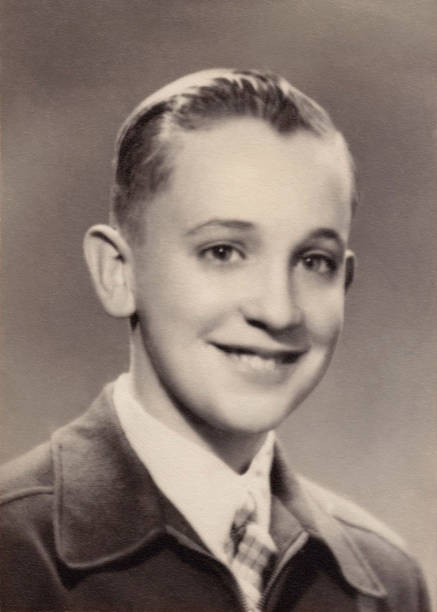
 Once upon a time, on December 17, 1936, in the bustling city of Buenos Aires, Argentina, a child was born to Mario José Bergoglio and Regina María Sívori. They named him Jorge Mario Bergoglio. Growing up as the eldest of five siblings in a working-class Italian immigrant family, Jorge’s life was shaped early by humility, discipline, and a deep sense of community. His father worked as a railway accountant, while his mother dedicated herself to raising their children in the Catholic faith.
As a young boy, Jorge enjoyed soccer and developed a strong attachment to his local parish. But his path was not immediately toward the priesthood. After completing his primary schooling, Jorge attended a technical secondary school where he graduated as a chemical technician. For a while, he worked in a food laboratory, enjoying the simplicity of daily labor.
However, God had a different plan for him. One day, during a regular confession at the Basilica of San José de Flores, Jorge felt a profound calling to serve as a priest. This spiritual awakening led him to join the Diocesan Seminary of Villa Devoto in 1957. A year later, he entered the Society of Jesus (the Jesuits), beginning his journey in a religious order known for its commitment to education, missionary work, and intellectual rigor.
Jorge’s formation took him across borders. He studied humanities in Chile and philosophy at the Colegio Máximo de San José in San Miguel, Argentina. After years of intense formation, he pursued theological studies and, on a memorable day, December 13, 1969, he was ordained a priest by Archbishop Ramón José Castellano.
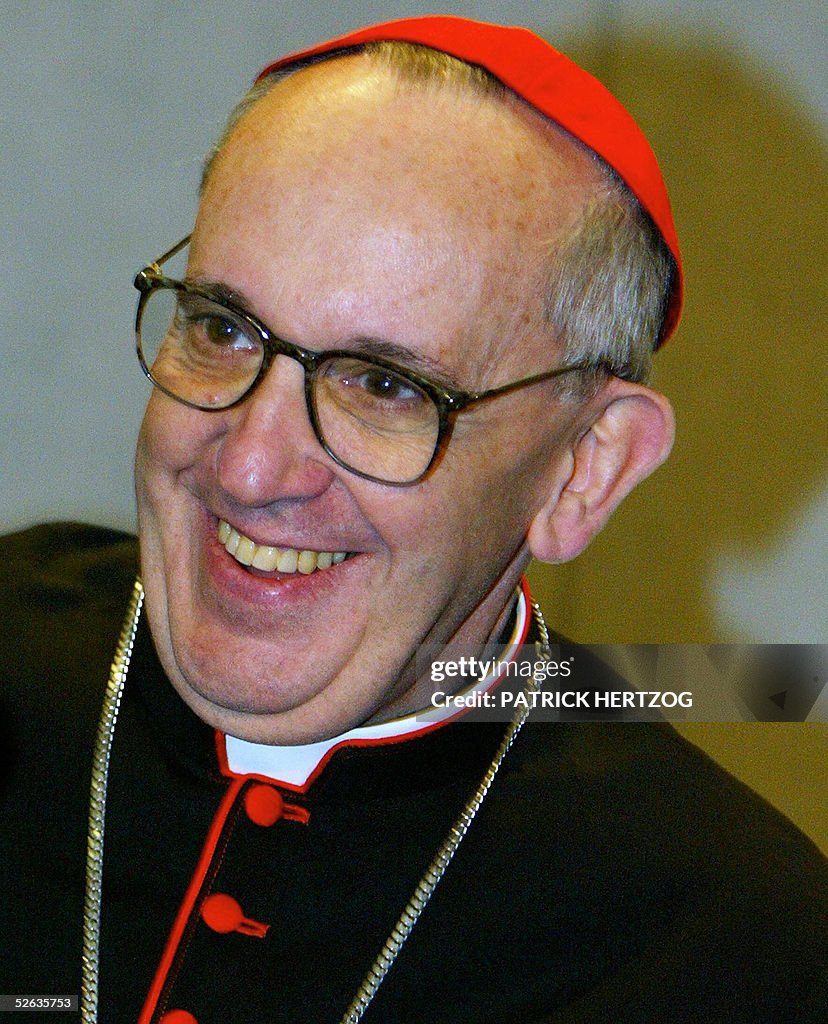
Father Bergoglio’s early ministry revealed a leader born for the times. He taught literature and psychology in Argentine colleges while nurturing young seminarians. By 1973, at the young age of 36, he was appointed Provincial Superior of the Jesuits in Argentina. His tenure was marked by courage and discretion, as Argentina endured a brutal dictatorship known as the Dirty War. Father Bergoglio quietly protected political dissidents and endangered citizens, embodying Christ’s call to be a shepherd in dangerous times.
Following a period of spiritual renewal, he continued serving in different leadership roles. In 1992, Pope John Paul II recognized his deep pastoral heart and appointed him Auxiliary Bishop of Buenos Aires. Just a few years later, after the death of Cardinal Antonio Quarracino, Jorge was made the Archbishop of Buenos Aires on February 28, 1998.
As archbishop, he rejected opulence. He chose to live in a small apartment, cooked his own meals, and used public transportation to meet his people where they lived. He became known simply as the bishop of the slums, visiting the poorest quarters of Buenos Aires, advocating for the rights of the marginalized, and reminding the world that "the poor are at the center of the Gospel."
In February 2001, Pope John Paul II elevated him to the rank of Cardinal, giving him the title of Cardinal-Priest of San Roberto Bellarmino. As cardinal, Bergoglio remained a humble figure, avoiding the limelight but respected for his spiritual depth and pastoral sensitivity.
Then came the monumental days of March 2013. After the resignation of Pope Benedict XVI—the first such resignation in nearly 600 years—the College of Cardinals convened in conclave. On the evening of March 13, 2013, white smoke billowed from the Sistine Chapel. Jorge Mario Bergoglio had been elected as the 266th pope of the Catholic Church. Taking the unprecedented name Francis, he signaled a new era—an era of simplicity, reform, and mercy.
From the beginning, Pope Francis broke conventions. He declined the papal limousine, chose a simple white cassock over elaborate vestments, and moved into the modest Domus Sanctae Marthae rather than the Apostolic Palace. His first words as pope, "Buona sera" (Good evening), captured the world’s imagination, revealing a man of the people.
Over the years, Pope Francis became a tireless advocate for the poor, migrants, and refugees. He authored major works like "Laudato Si’" (2015), calling for urgent action against climate change and urging humanity to care for "our common home." His encyclical "Fratelli Tutti" (2020) challenged divisions among nations and peoples, promoting a message of fraternity and social friendship.
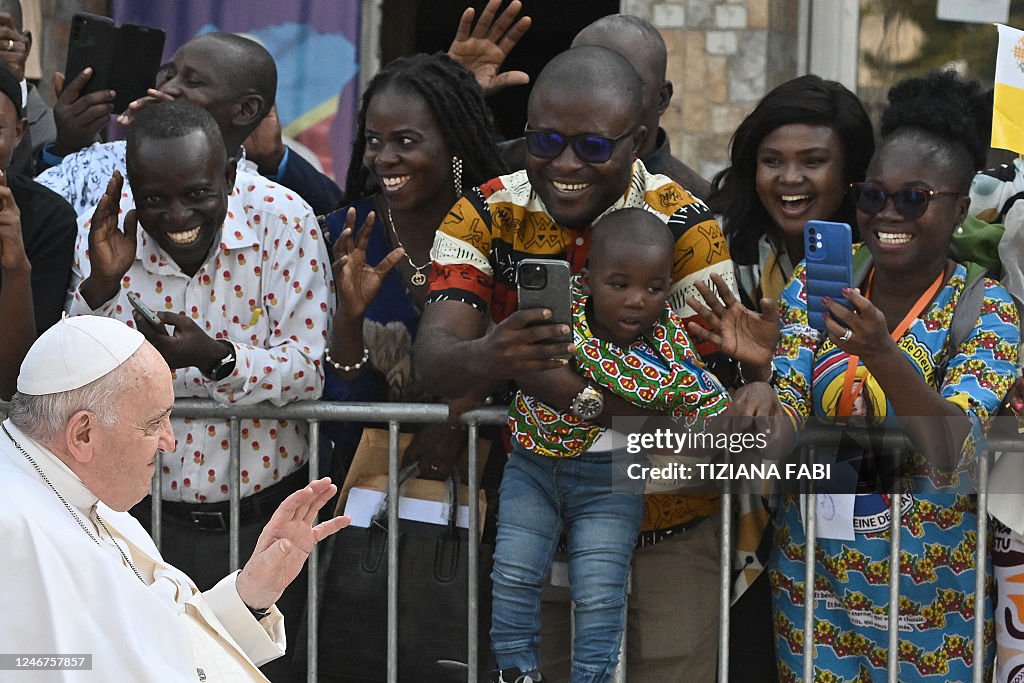
He also launched historic reforms: streamlining Vatican finances, pushing for transparency, encouraging synodality (greater listening and participation within the Church), and reaching out to other faiths, notably signing the Document on Human Fraternity with a major Muslim leader in Abu Dhabi.
Throughout his papacy, Pope Francis was a man of firsts: the first Jesuit pope, the first pope from the Americas, and the first to prioritize ecology and grassroots synodality as essential missions of the Church. Despite health challenges later in life—including surgery and mobility issues—he continued to serve with remarkable resilience and good humor.
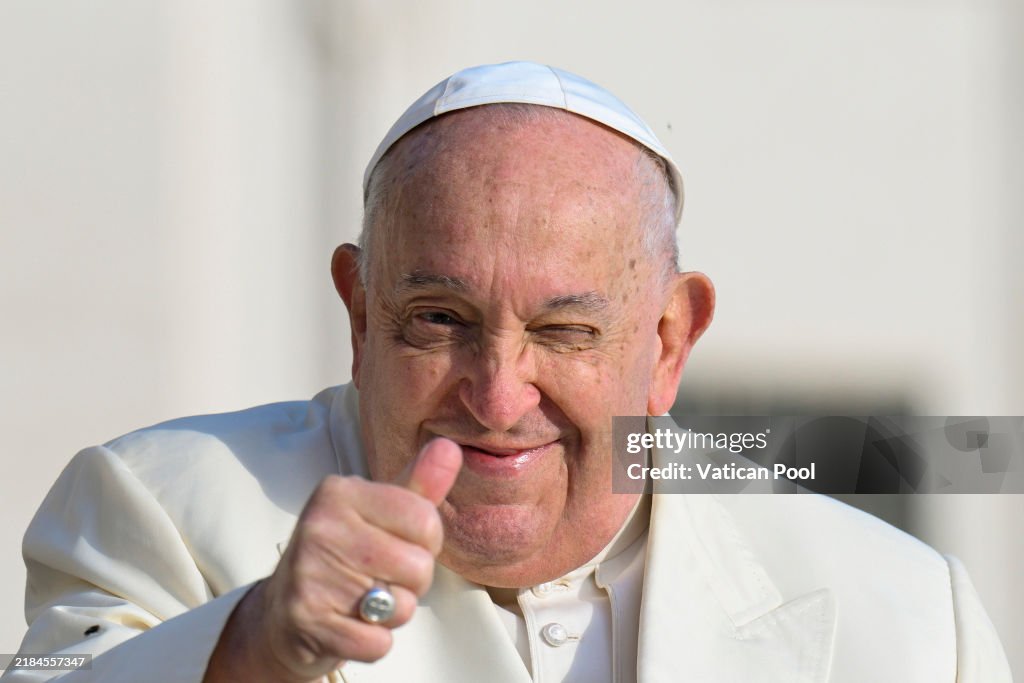
As of April 2025, Pope Francis is still alive, offering a living witness to a Church constantly called to reform, mercy, and outreach. Yet his legacy is already profoundly visible.
He will be remembered as:
- The Pope of the Peripheries, who made the poor central to the Catholic mission.
- The Green Pope, who called the Church to an ecological conversion.
- The Pope of Dialogue, who bridged divides among faiths and nations.
- The Pope of Mercy, who opened doors to the marginalized and wounded.
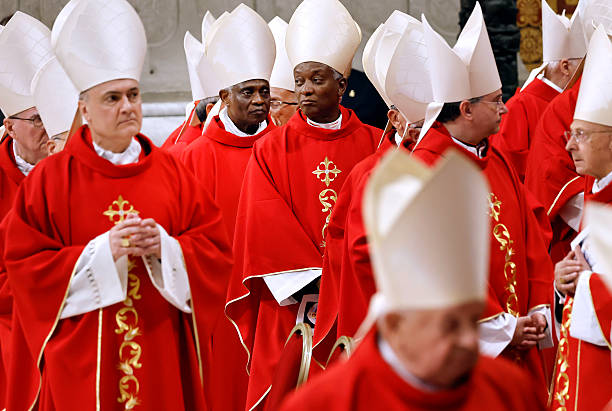
In the heart of Buenos Aires, in the slums he once walked, and in the halls of the Vatican, the spirit of Pope Francis continues to live, a testament to humility, service, and hope for a broken world seeking healing.
And when, someday, the history books close the final chapter on his earthly pilgrimage, the name Francis will stand not just for a man but for a movement—a revolution of tenderness.
[Based on official Vatican records, Catholic scholarly sources, and Pope Francis’ own writings, photos Getty images]
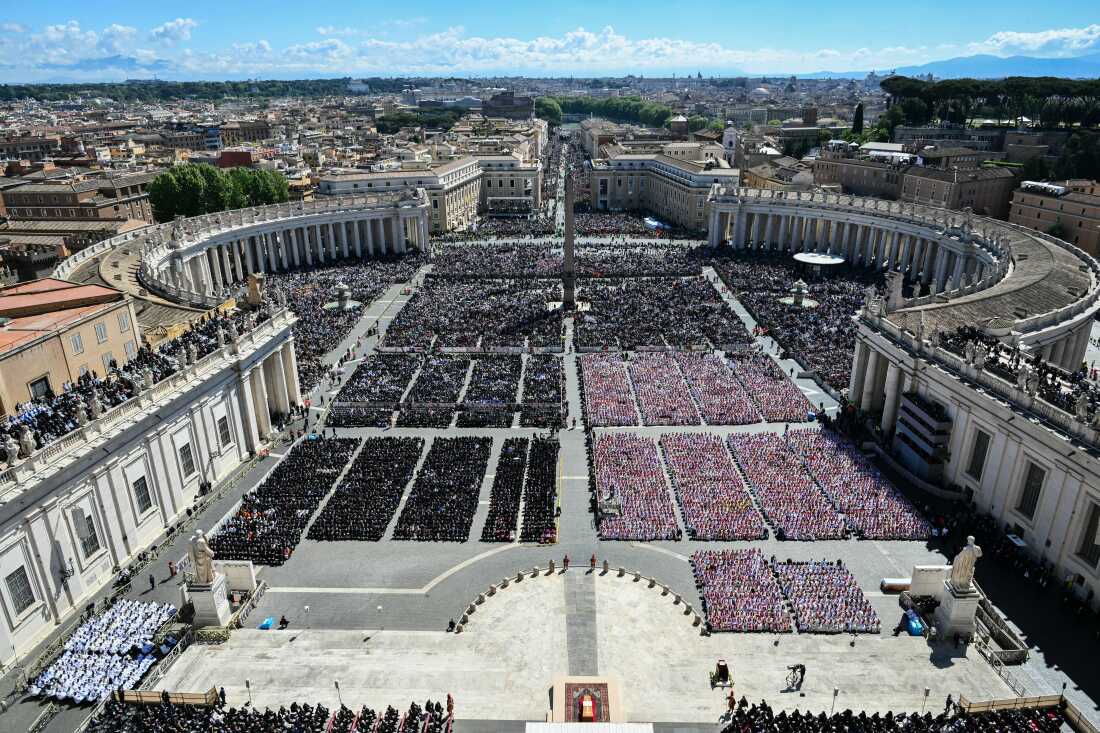
Final Illness and Death
In the weeks leading up to his death, Pope Francis had been hospitalized for respiratory issues, including double pneumonia. Despite his health challenges, he made a final public appearance on Easter Sunday, April 20, 2025, delivering the traditional "Urbi et Orbi" blessing from St. Peter's Square
Funeral and Burial
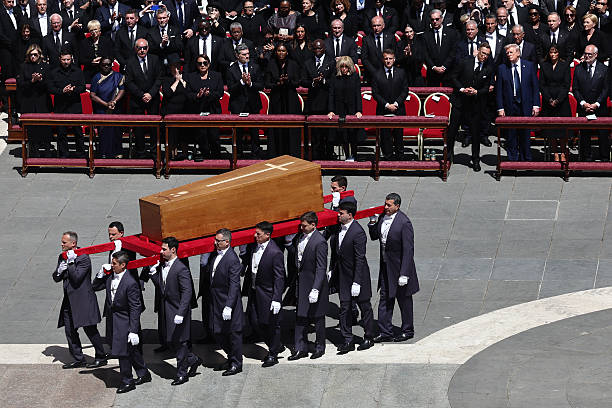
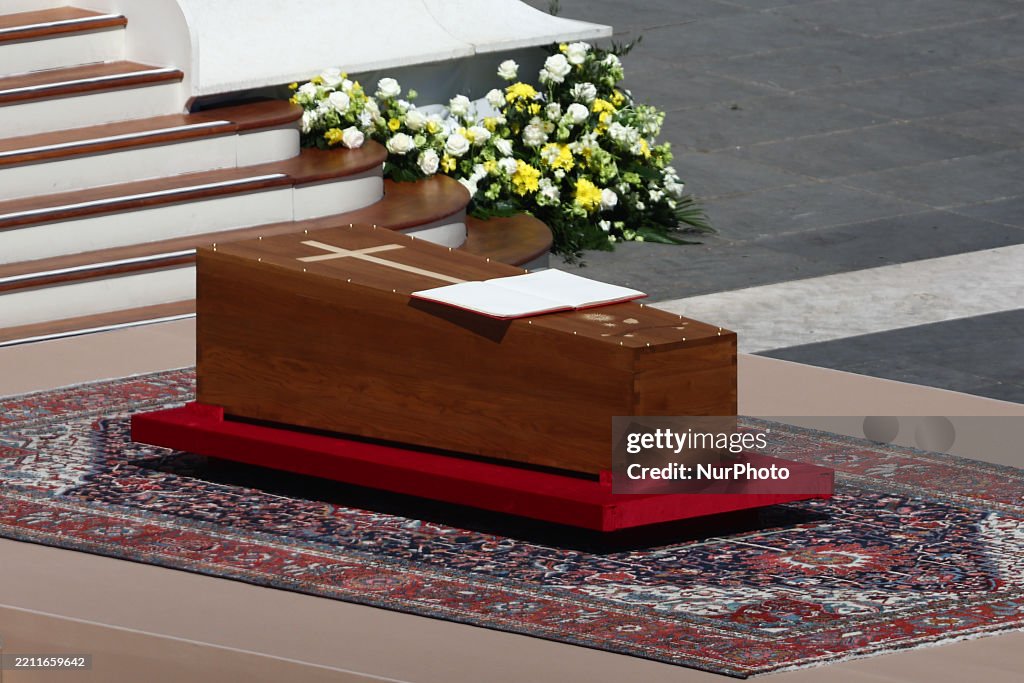
Pope Francis's funeral was held on April 26, 2025, in St. Peter's Square, attended by over 250,000 mourners, including numerous world leaders and dignitaries. In accordance with his wishes, he was buried at the Basilica of Santa Maria Maggiore in Rome, near the icon of Mary Salus Populi Romani, marking the first time in over a century that a pope was interred outside the Vatican
Succession
Following his death, the Vatican announced that the conclave to elect the next pope would commence on May 7, 2025, in the Sistine Chapel. A total of 135 cardinal electors are expected to participate in this process